
Why Saudi Arabia Made an Unprecedented $2.5 Billion Promise to Anthony Joshua
What Happened in This Kwara Community Hours After Christmas Left Residents in Shock
He Flaunted Guns Online — What Police Found When They Finally Caught Him Will Shock You
The Nigeria tax laws deadline has become a flashpoint as government officials insist implementation will begin on January 1, 2026.
This stance remains firm despite allegations of post-legislative alterations and growing political backlash.
Officials say the Nigeria tax laws deadline is non-negotiable.
Critics, however, warn of a looming constitutional crisis.
Nigeria Tax Laws Deadline Confirmed by Presidential Adviser
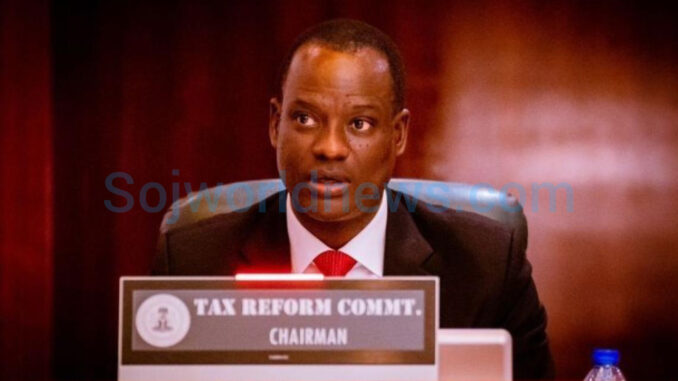
Chairman of the Presidential Committee on Fiscal Policy and Tax Reforms, Taiwo Oyedele, spoke on Friday in Lagos.
He addressed journalists after a closed-door meeting with President Bola Tinubu.
According to Oyedele, implementation will proceed as scheduled.
He described the reforms as people-focused and economically necessary.
Also present at the briefing were FIRS Chairman Zacchaeus Adedeji.
National Tax Policy Implementation Committee Chairman Joseph Tegbe also attended.
“The January 1 commencement will go ahead,” Oyedele said.
He added that the reforms would reduce burdens on most Nigerians.
Nigeria Tax Laws Deadline Sparks Lawmaker Dispute
Oyedele claimed 98 percent of workers would pay little or no PAYE tax.
He said 97 percent of small businesses would enjoy broad tax exemptions.
Large companies, he added, would also see reduced liabilities.
However, lawmakers remain unconvinced.
President Tinubu signed four tax reform bills on June 26, 2025.
The government described the move as historic.
The reforms aim to create the Nigeria Revenue Service.
That agency would unify revenue collection nationwide.
Yet controversy followed almost immediately.
Several lawmakers alleged bill tampering after passage.
Nigeria Tax Laws Deadline Faces Alleged Document Alteration Claims
House member Abdussamad Dasuki raised concerns earlier this month.
He said gazetted versions differed from debated copies.
“Our legislative rights were breached,” Dasuki stated.
He insisted lawmakers lacked certified documents.
Dasuki accused the National Assembly Clerk of withholding harmonised versions.
This allegation deepened suspicion across parliament.
Northern lawmakers had earlier resisted the bills.
They warned of regional imbalance and executive overreach.
Civil groups also criticised the rapid rollout.
Business owners fear compliance challenges.
Banks are reportedly preparing stricter tax identification enforcement.
Opposition leaders call the deadline reckless.
Despite criticism, the government denies wrongdoing.
Officials describe the allegations as politically motivated.
Oyedele maintained there was no reversal plan.
He said engagement with lawmakers would continue.
Unless suspended, the laws activate at midnight, January 1, 2026.
Insiders warn of possible legal confrontation in the new year.
Leave a Reply