
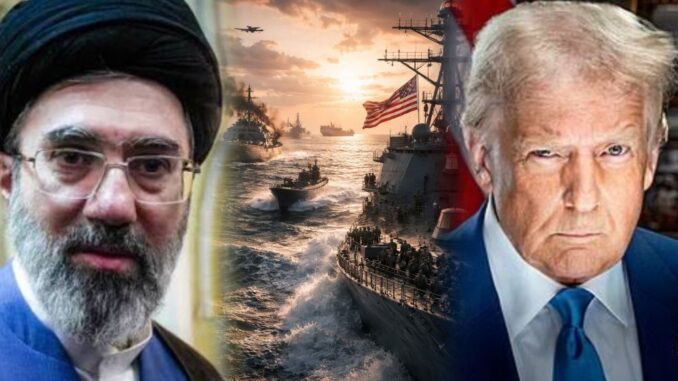
US Iran peace talks collapse – The latest round of US-Iran peace negotiations has collapsed dramatically after both sides failed to bridge deep disagreements over Iran’s nuclear programme, sanctions relief, and regional security concerns. Moreover, the breakdown has triggered fresh global anxiety about rising tensions in the Middle East and potential disruptions to global oil markets.
Diplomatic sources confirmed that the talks continued for several hours in an intense attempt to reach a compromise. However, both delegations left the negotiation table without any agreement. As a result, hopes for an immediate diplomatic breakthrough have now faded significantly.
From the beginning, the United States pushed for strict limits on Iran’s nuclear activities. US negotiators insisted that any agreement must guarantee Iran cannot develop nuclear weapons capability under any circumstances. In addition, Washington demanded long-term verification systems and expanded international inspections.
One senior US official stated that “no credible agreement can exist without clear, enforceable guarantees that Iran will never obtain a nuclear weapon.” Furthermore, US representatives described their position as a “final framework designed to ensure global security.”
SEE ALSO: BREAKING: Donald Trump Orders Naval Blockade Against Iran After Peace Talks Collapse
BREAKING: Boko Haram Ambush Kills Nigerian Army Colonel, Several Soldiers in Deadly Monguno Attack
BREAKING: Survivors Speak As NAF Jet Bombs Market In Yobe — ‘Bodies Everywhere’
However, Iran strongly rejected these demands. Iranian negotiators insisted that their nuclear programme remains peaceful and focused on energy production and medical research. Moreover, they argued that the US position crossed what they called “red lines of sovereignty and scientific independence.”
An Iranian diplomatic source responded firmly, saying, “We will not accept any agreement that restricts Iran’s legitimate right to peaceful nuclear development.” Meanwhile, Iranian officials accused Washington of using excessive pressure tactics instead of genuine diplomacy.
As negotiations continued, both sides explored phased proposals. For instance, discussions included the possibility of limited sanctions relief in exchange for gradual nuclear compliance. Nevertheless, this approach quickly collapsed because both sides disagreed on timing and sequencing.
The United States demanded that Iran comply first before receiving significant economic relief. In contrast, Iran insisted that sanctions must be lifted immediately before it accepts deeper nuclear restrictions. Consequently, neither side moved from its position, and the gap widened further.
In addition, verification rules became another major obstacle. The US delegation pushed for expanded inspection powers, including surprise visits to nuclear facilities. This proposal aimed to increase transparency and reduce suspicion.
However, Iran rejected this idea outright. Iranian officials argued that unrestricted inspections would violate national sovereignty. They also warned that sensitive industrial and scientific infrastructure could be exposed under such arrangements. Therefore, this issue created another deadlock in the talks.
Meanwhile, broader geopolitical concerns intensified the situation. The United States raised concerns about Iran’s influence in the Middle East and its relationships with allied groups across the region. Washington argued that any long-term peace agreement must also address regional security behaviour.
Iran, however, firmly dismissed this link. Iranian representatives insisted that regional politics should remain separate from nuclear discussions. Moreover, they accused the United States of expanding the scope of negotiations to create additional pressure points.
As the talks progressed into their final stages, diplomatic observers noticed a sharp decline in flexibility. One Western diplomat explained that “both sides entered the final hours with rigid positions, and neither showed willingness to compromise.”
Furthermore, mediators attempted to introduce temporary confidence-building measures. These proposals aimed to extend dialogue and prevent total collapse. Nevertheless, both sides rejected these suggestions because they did not resolve the core disagreements.
According to participants, the atmosphere became increasingly tense. One negotiator described the final phase as “exhausting, repetitive, and politically stuck.” As a result, the talks ended without even a roadmap for future engagement.
Shortly after the collapse, both countries issued conflicting statements. The United States expressed disappointment and blamed Iran for failing to meet essential requirements. US officials reiterated that any future agreement must include “strong, verifiable, and long-term guarantees” on nuclear non-proliferation.
On the other hand, Iran blamed the United States for the failure of diplomacy. Iranian officials accused Washington of maintaining a “maximum pressure strategy” while pretending to pursue peace. Moreover, they stated that Iran remains open to dialogue but refuses unequal terms imposed under coercion.
As a result of the breakdown, international concern has increased sharply. Analysts warn that repeated failures in US-Iran diplomacy could further destabilise an already fragile region. In particular, the absence of agreement raises fears about escalation in multiple flashpoints across the Middle East.
Global financial markets also reacted quickly. Oil prices moved upward as traders responded to fears of supply disruption. Additionally, investors expressed concern that tensions could affect shipping routes and energy stability in key regions.
Security analysts have warned that the collapse could increase military tension in strategic waterways. In past diplomatic failures, both sides expanded naval deployments near critical shipping lanes. Therefore, experts caution that similar responses could return if tensions continue to rise.
However, despite the breakdown, diplomatic channels remain partially open. Indirect communication through intermediaries continues in the background. These backchannels have historically helped prevent direct military confrontation even during periods of extreme tension.
Nevertheless, experts warn that informal communication alone cannot replace structured negotiations. Without formal dialogue, misunderstandings and miscalculations may increase. Consequently, the risk of escalation remains present.
International stakeholders, including European partners, have urged both sides to return to negotiations. They argue that diplomacy remains the only realistic solution to prevent long-term instability. Moreover, they emphasize that continued breakdowns will only deepen mistrust.
One senior analyst described the situation as “a repeating cycle of negotiation, collapse, and renewed pressure.” He added that both countries continue to see strategic value in talks, yet neither is willing to make the concessions required for a breakthrough.
At present, no new round of talks has been scheduled. Therefore, uncertainty now surrounds the future of US-Iran relations. The collapse highlights deep structural disagreements that go beyond technical nuclear issues and extend into broader geopolitical rivalry.
Conclusion: The US-Iran peace talks collapsed because of unresolved nuclear restrictions, sanctions disputes, and regional security disagreements. Ultimately, both sides refused to compromise on core demands. As a result, global attention now shifts to whether diplomacy can restart or whether tensions will escalate further in the coming months.
Leave a Reply