
De HONOURABLES stages a comeback in a big way with “My REGRETS” Comedy Skit. You cannot afford to miss it
https://youtube.com/@dehonourables?si=ZJwWbyQJAybS5htG
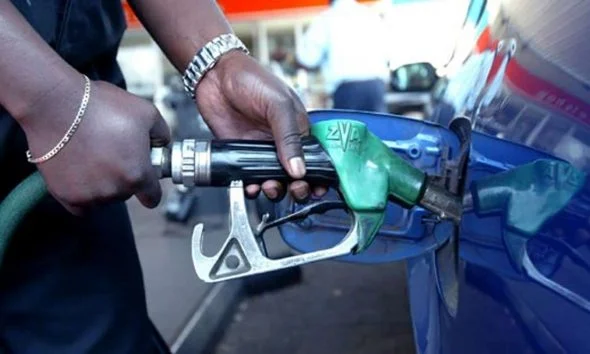
Starting January 2026, Nigerians will pay an additional 5% tax on every litre of fuel, under a new law signed by President Tinubu. With fuel already costly, the levy is expected to further increase expenses for motorists, transporters, and businesses that rely heavily on fuel.”
The Nigerian Harmonized Tax Act 2025, signed into law in June, introduces a 5% surcharge on fossil fuels such as petrol and diesel beginning January 1, 2026. The aim is to generate funds to support the transition to clean energy.
Certain fuels, however, are exempt from the levy — including household kerosene, cooking gas (LPG), compressed natural gas (CNG), and other renewable energy sources. According to estimates, the surcharge could generate about ₦796 billion annually from petrol alone.
But that’s not the only major change coming in 2026. The anchor of Punch’s “So This Happened” show further explained that starting January 2026, Nigerians earning above ₦800,000 annually — roughly ₦66,000 per month — will now be required to pay personal income tax. This policy will not only apply to those in formal employment but also to self-employed individuals and artisans. Whether you are a tailor, carpenter, freelancer, or bricklayer, as long as you earn above ₦800,000 per year, you will now be taxed.
To ensure compliance, the Federal Inland Revenue Service (FIRS) has been mandated to work closely with banks to automate tax deductions, making evasion far more difficult. For many Nigerians who have never had to deal with taxation before, this will be an entirely new reality.
According to President Bola Ahmed Tinubu, the goal is to widen Nigeria’s tax base, reduce overreliance on crude oil revenue, and build a more sustainable system for funding infrastructure, healthcare, education, and other public services. The President stressed that most countries around the world rely heavily on tax revenue, and Nigeria must align with global practices to secure long-term economic stability.
While the government insists these measures are necessary for progress, critics fear the combined effect of higher fuel costs and new income tax rules will worsen the financial burden on everyday Nigerians.
Leave a Reply