
Nigeria · Senate
Oshiomhole Blasts FG’s Double Standard on Illegal Mining, Oil Bunkering
Senator says retired generals and other powerful figures run illegal gold operations in the north with impunity, while the government deploys full military force against oil theft in the south.
·
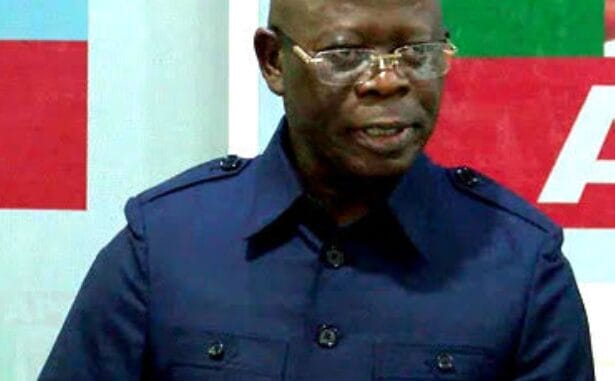
Senator Adams Oshiomhole calls out illegal mining in Nigeria as proof of a federal double standard on resource theft. He says security forces strike hard and fast against illegal oil bunkering in the south-south. Meanwhile, he argues, illegal solid mineral mining spreads across the north and other regions largely unchecked. Powerful retired officials, he claims, drive much of it.
Oshiomhole first sets the scene. Nigeria holds solid minerals in nearly every part of the country, he notes.
“There is hardly any part of Nigeria where you don’t have solid minerals, even in the south.”
Senator Adams Oshiomhole
Yet Abuja’s response shifts depending on which resource goes missing, he says. For oil bunkering, the government deploys the Joint Task Force. This coalition of the army, police, and air force cracks down hard. Solid minerals get no such urgency, he argues.
For Oshiomhole, this gap runs deeper than policy. It stings personally. “I am very angry about that,” he says. Retired generals run some of these illegal mining operations, he adds, and everyone knows their names. So, he argues, silence protects the powerful.
To show the scale of the problem, Oshiomhole recalls a letter he once sent to a former president. He wrote it while serving as national chairman of the APC. A retired general from the north had prompted the letter. This general warned him that Nigeria’s security threats reach far beyond election disputes. Gold extraction runs through Kaduna and nearby areas, the general told him. Operators use helicopters to move weapons and minerals alike, he said.
Furthermore, Oshiomhole draws a direct line to patterns he has seen in the oil-producing south. Powerful figures reportedly procure and equip armed groups for these operations. These groups guard mining sites, he says, but they also protect Chinese nationals and other foreign operators hired to run the extraction. In some cases, he claims, these same weapons turn toward kidnapping and other crimes in nearby communities.
Beyond naming names, the senator points to a deeper failure: oversight. Nigeria still lacks a full survey of its mineral wealth, he says. Consequently, officials cannot say where these resources sit or how much the country has already lost, even though estimates run into the trillions. Meanwhile, foreign nationals of unclear origin keep running mining sites. Ordinary Nigerians, he says, absorb the resulting violence and insecurity.
Still, Oshiomhole rejects the idea that lawmakers should simply complain from the sidelines about illegal mining in Nigeria. Senators must act, he insists.
“We shouldn’t, as senators, be lamenting. We should fix the problem.”
Senator Adams Oshiomhole
He calls on the executive branch to match its oil-bunkering response with equal force against illegal mining. That standard should apply to anyone involved, he says, whether a retired general, a former public servant, a trade unionist, or a legal figure.
Ultimately, Oshiomhole’s remarks point to a bigger worry. Some individuals, because of past service to the nation, now see themselves as untouchable, he suggests.
“You know, when you have a country of people who are above the law because they are supposed to have saved the country, and they have retired, and now they become the real barons.”
Senator Adams Oshiomhole
Finally, he references a well-known claim: prospectors discovered Nigerian oil by accident while searching for something else. For Oshiomhole, that story carries a lesson. In resource extraction, and in governance, the nation must play to win rather than simply react.
Leave a Reply