
Naira Exchange Rate Today Published: Thursday, July 30, 2026 | Sojworldnews
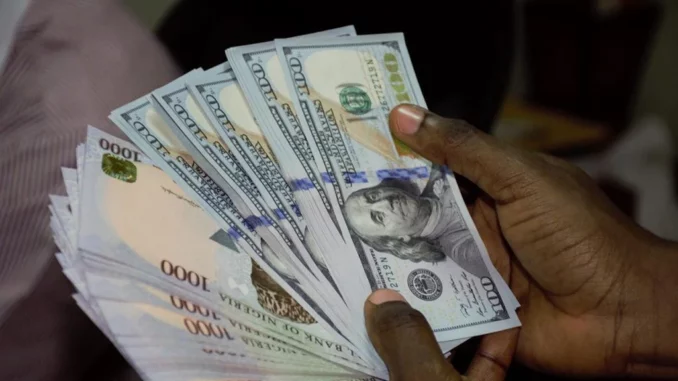
The Naira held fairly steady against major currencies today. Dollar demand stayed calm across Lagos and Abuja. Below, we break down both the official CBN rate and the street rate, also known as the black market rate.
Naira Exchange Rate Today: Dollar to Naira Today
The official market opened near ₦1,365 per dollar and settled around ₦1,358.63 during early trading. So, the Naira firmed up slightly in the official window today.
Meanwhile, the black market told a different story. Bureau de Change operators in Lagos and Abuja quoted the dollar at about ₦1,400. That gap between both markets has narrowed in recent weeks, which analysts link to the Central Bank’s ongoing liquidity efforts.
Pound and Euro Rates
The Pound traded around ₦1,816 in the official window. On the street, however, it sold for closer to ₦1,910. Buyers, on the other hand, could get it for about ₦1,880.
The Euro followed a similar pattern. It held near ₦1,555 officially, while parallel market traders quoted it between ₦1,585 and ₦1,620.
SEEAL ALSO: Tinubu Defends INEC, Says Opposition Is ‘Crying Wolf’ Ahead of 2027 Polls
Today’s Currency Table
Here is a quick snapshot of today’s rates. Use it to compare the official bank rate against the black market rate before you exchange any cash.
| Currency | Official (CBN) Rate | Black Market Buy | Black Market Sell |
|---|---|---|---|
| US Dollar (USD) | ₦1,358.63 | ₦1,395 | ₦1,410 |
| British Pound (GBP) | ₦1,816.43 | ₦1,880 | ₦1,910 |
| Euro (EUR) | ₦1,555.32 | ₦1,585 | ₦1,620 |
| Canadian Dollar (CAD) | ₦990.00 | ₦996 | ₦1,000 |
| Swiss Franc (CHF) | — | ₦1,665.89 | ₦1,667.11 |
| Saudi Riyal (SAR) | — | ₦363.48 | ₦363.74 |
| Japanese Yen (JPY) | — | ₦8.33 | ₦8.33 |
| Danish Krone (DKK) | — | ₦207.56 | ₦207.71 |
Rates are sourced from CBN data and open market aggregators. Street rates change often, so always confirm with a trusted dealer before you exchange money.
Why the Gap Still Exists
You might wonder why two different rates exist at all. The answer comes down to supply. The CBN controls how much foreign currency flows through official banks. When demand rises past that supply, people turn to the parallel market instead.
That said, the spread has shrunk this year. Better liquidity management and stronger foreign reserves have helped keep both markets closer together than they were in past years.
What This Means for You
If you are sending money home, paying school fees abroad, or planning travel, small rate shifts add up fast. Therefore, it pays to check the rate right before you transact, not the day before.
Also, always deal with a verified Bureau de Change operator. Street corner exchanges carry real risk, and rates quoted online can shift within hours.
This article will be updated as new rates come in throughout the day.
Leave a Reply