
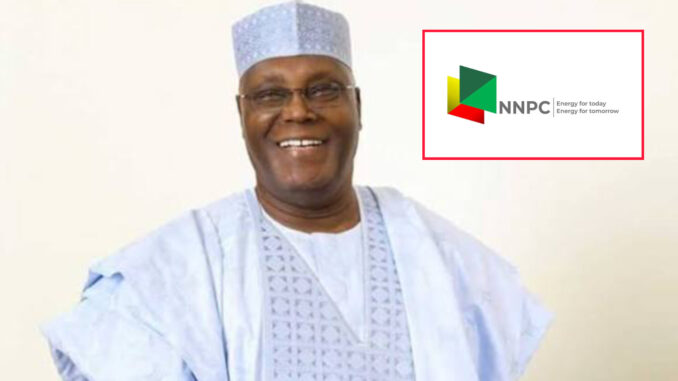
Atiku fuel subsidy Presidency response SOJWORLDNEWS.
Atiku fuel subsidy Presidency response — The Presidency has fired back at former Vice President Atiku Abubakar over his promise to restore Nigeria’s fuel subsidy regime. Special Adviser to the President on Information and Strategy, Bayo Onanuga, issued a statehouse press release rejecting the proposal outright. He described it as a desperate move rather than a genuine economic plan.
According to Onanuga, Nigerians expected Atiku to unveil a fresh and creative economic alternative ahead of the next election. Instead, he argued, Atiku reached for an old, wasteful arrangement that the Petroleum Industry Act had already outlawed. Notably, Onanuga pointed out that Atiku once supported subsidy removal during his own 2023 campaign. Therefore, this sudden reversal, he suggested, exposes political opportunism rather than sound policy thinking.
Furthermore, the statement clarified what the subsidy actually involved. Contrary to popular belief, it was never free money sitting in government coffers. Instead, the NNPC sold imported fuel far below cost, absorbing the difference through massive under-recovery and mounting debt. Onanuga also dismissed Atiku’s claim of a huge subsidy windfall, insisting bluntly that
“No N30 trillion subsidy windfall or savings exists anywhere except in his imagination.”
Moreover, the Presidency stressed that Nigeria’s petroleum landscape has transformed since subsidy removal in 2023. Domestic refining capacity, led by the Dangote Refinery, has reshaped the market considerably. As a result, Nigeria no longer depends heavily on imported fuel the way it once did. Restoring subsidy now, Onanuga warned, would threaten that progress and could push smaller local refineries, such as Aradel’s, toward bankruptcy. Consequently, job losses and reduced foreign exchange earnings would likely follow.
In addition, the statement highlighted how far the country has come economically. Under previous administrations, including Atiku’s tenure as Vice President, Nigeria spent roughly $10 billion annually importing refined products. Today, however, the country exports fuel to Europe, Asia, and the United States instead. This shift, Onanuga argued, represents genuine national progress that a return to subsidy would undo.
Meanwhile, the Presidency pointed to fiscal gains from ending the old arrangement. It noted that the three tiers of government shared roughly N3 trillion in July alone, a record figure. As a result, states can now pay salaries regularly and fund infrastructure projects more consistently. Reversing this trend, therefore, would strip states of resources they now rely on.
Onanuga also raised pointed questions about how Atiku intends to fund his proposal. He asked who would bear the cost, given that petrol’s true economic value sits between N1,200 and N1,300. Similarly, he questioned whether the pump price would drop to N200 or N500, and who would absorb the resulting gap. Without clear answers, he argued, the promise remains little more than a populist slogan.
Nevertheless, the statement acknowledged that fuel costs continue to burden ordinary Nigerians. Consequently, it pointed to government efforts promoting Compressed Natural Gas as a cheaper alternative for transportation. Both Dangote and BUA, it noted, have already adopted CNG trucks within their fleets. Sustainable relief, Onanuga insisted, differs sharply from reviving a costly and opaque subsidy system.
Ultimately, the Presidency challenged Atiku to present the full fiscal and legal implications of his proposal. It asked whether the National Assembly would need to amend existing petroleum laws and how subsidy payments would be verified against past abuses. Political promises, Onanuga concluded, must rest on solid fiscal arithmetic rather than nostalgia for a failed system.
As the 2027 election approaches, this exchange signals sharper economic debates ahead. While Atiku frames subsidy restoration as relief for struggling Nigerians, the Presidency insists the country cannot afford to repeat old mistakes. Consequently, Nigerians should expect this argument to dominate campaign conversations in the months ahead.
Leave a Reply