
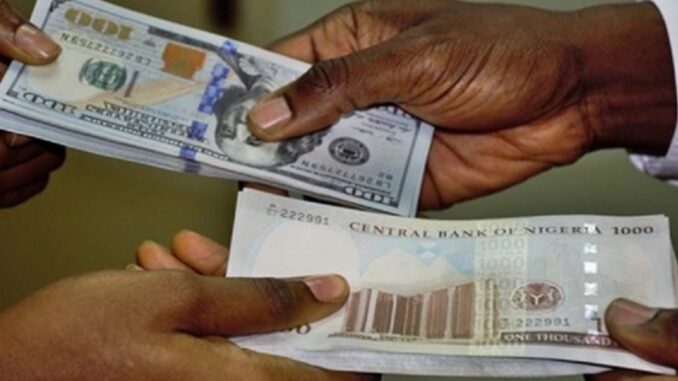
Exchange rates today May 20 2026 Nigeria —The Nigerian naira traded within a relatively stable range on Wednesday, May 20, 2026, despite continued pressure from rising dollar demand across the foreign exchange market.
At the official market, the naira traded around ₦1,373 to ₦1,375 per dollar. Meanwhile, the parallel market rate hovered between ₦1,395 and ₦1,405 per dollar in major cities including Lagos and Abuja.
Analysts say sustained demand from importers, manufacturers, and travelers continues to put pressure on the local currency. However, improved foreign exchange liquidity and stronger oil revenue inflows have helped the Central Bank of Nigeria maintain relative market stability.
In addition, Nigeria recently received a ratings upgrade from S&P Global Ratings. The agency cited improving macroeconomic conditions, stronger oil production, and ongoing FX reforms as major reasons for the positive outlook.
Globally, the U.S. dollar remained strong due to rising inflation concerns and geopolitical tensions. As a result, emerging market currencies across Africa and Asia continued to face pressure.
SEE ALSO: Ogun Police Smash Suspected Fulani Bandits Camp Along Ibadan-Ijebu Ode Road, Arrest Two Leaders
SHOCKING: Rehabilitated Ex-Bandit Allegedly Disappears With Military Rifle in Nigeria
Nigeria Exchange Rates Today – May 20, 2026
| Currency | Official Market Rate (₦) | Parallel / Black Market Rate (₦) | Mid-Market / Indicative Rate (₦) |
|---|---|---|---|
| US Dollar (USD) | ₦1,373 – ₦1,375 | ₦1,395 – ₦1,405 | ₦1,374 |
| Euro (EUR) | ₦1,600 – ₦1,615 | ₦1,625 – ₦1,640 | ₦1,610 |
| British Pound (GBP) | ₦1,850 – ₦1,860 | ₦1,885 – ₦1,900 | ₦1,890 |
| Chinese Yuan (CNY) | ₦189 – ₦192 | ₦195 – ₦198 | ₦191 |
| Japanese Yen (JPY) | ₦9.8 – ₦10.1 | ₦10.5 – ₦10.8 | ₦10.0 |
| Canadian Dollar (CAD) | ₦1,020 – ₦1,040 | ₦1,080 – ₦1,100 | ₦1,090 |
| Swiss Franc (CHF) | ₦1,510 – ₦1,530 | ₦1,590 – ₦1,620 | ₦1,520 |
| Saudi Riyal (SAR) | ₦365 – ₦370 | ₦375 – ₦382 | ₦368 |
| UAE Dirham (AED) | ₦370 – ₦375 | ₦380 – ₦388 | ₦372 |
Market Notes
The official exchange rate reflects transactions carried out through the Nigerian Foreign Exchange Market regulated by the Central Bank of Nigeria.
On the other hand, the parallel market rate is determined by Bureau de Change operators and street traders across the country.
Exchange rates may change during the day due to market demand, liquidity, and global economic developments.
Stay with Sojworldnews for daily exchange rate updates, business news, and economic analysis.
Leave a Reply